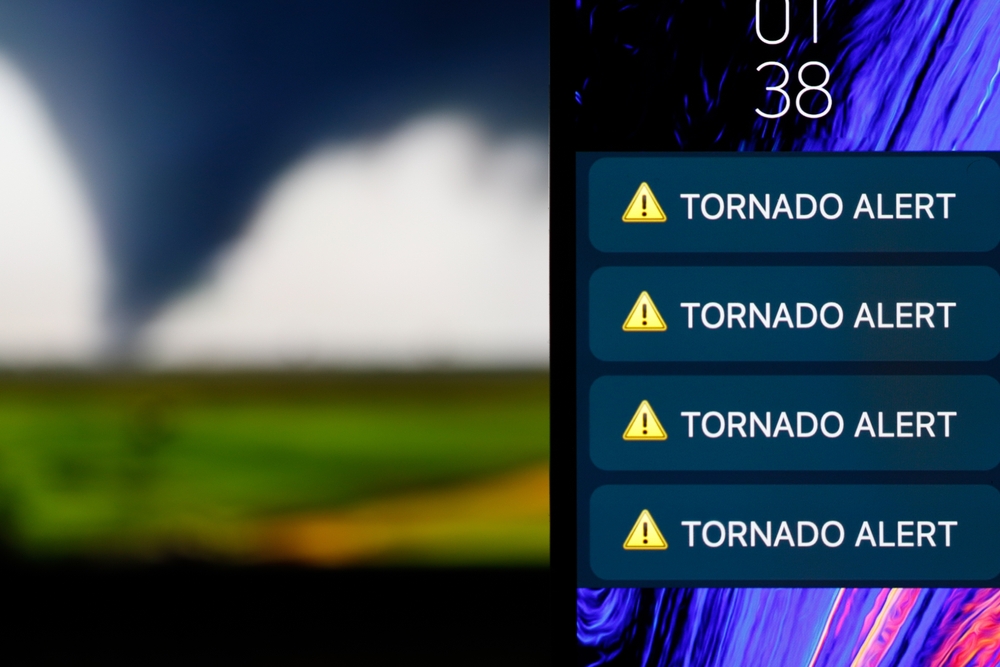
When an emergency unfolds, seconds matter. Whether it’s a severe weather event, an active security threat, a system outage, or a safety instruction that must reach hundreds or thousands of people at once, organizations need a way to communicate clearly, instantly, and without confusion. This is where a mass notification system becomes essential.
For schools, healthcare facilities, corporate campuses, manufacturing plants, and government buildings, mass notification systems are no longer optional infrastructure. They are a core part of safety planning, operational continuity, and regulatory compliance. For A/V companies, they represent a critical intersection of audio, visual, network, and control technologies.
This guide explains what a mass notification system is, how it works, where it’s used, and why it plays such a vital role in modern environments.
What Is a Mass Notification System?
A mass notification system (MNS) is a centralized communication platform that delivers urgent messages to large groups of people simultaneously across multiple channels. These messages may be delivered via audio, visual, digital, or mobile endpoints, depending on the system design and the situation.
Unlike basic paging or alert systems, a mass notification system is built to ensure messages are:
- Immediate
- Redundant across channels
- Clearly understood
- Delivered to the right people at the right time
The purpose is not just to broadcast information, but to prompt action—evacuate, shelter in place, avoid an area, or follow specific instructions.
Why Mass Notification Systems Exist
Traditional communication methods break down during emergencies. Email goes unread. Phone calls overwhelm systems. Word-of-mouth spreads misinformation.
Mass notification systems are designed to solve these problems by providing:
- Speed: Messages are delivered within seconds
- Reach: Multiple communication paths ensure coverage
- Consistency: Everyone receives the same instruction
- Reliability: Systems are engineered to function during crises
In many regulated environments, mass notification capabilities are also tied to life-safety standards and an organization’s duty of care.
How a Mass Notification System Works
Centralized Control and Message Initiation
At the core of a mass notification system is a control platform. This may be software-based, hardware-based, or a hybrid of both. Authorized users can initiate alerts from:
- A control room
- A secure web interface
- A mobile device
- An integrated building system
Messages can be live (spoken in real time) or pre-recorded, depending on the scenario and response plan.
Multi-Channel Message Distribution
What sets a true mass notification system apart is its ability to communicate across multiple channels simultaneously.
Common delivery methods include:
- Overhead speakers and paging systems
- Digital signage and video displays
- Desktop pop-ups and network alerts
- SMS text messages and voice calls
- Mobile app notifications
- Email alerts
This redundancy ensures that if one channel fails or is missed, others reinforce the message.
Targeted Zoning and Message Routing
Modern mass notification systems are not “one size fits all.” They allow for precise targeting based on location, role, or risk level.
For example:
- Evacuation messages can be sent only to affected zones
- Lockdown instructions can differ by building
- Operational alerts can reach staff without alarming the public
This level of control is especially important in large campuses and multi-building facilities.
Key Components of a Mass Notification System
Audio Infrastructure
Audio remains one of the most critical elements of mass notification, particularly for life safety events. This includes:
- Paging speakers
- High-intelligibility amplifiers
- Emergency override capabilities
Clear, intelligible audio is essential. Messages must cut through ambient noise and be understood immediately.
Visual and Digital Displays
Visual alerts reinforce audio instructions and serve people in noisy environments or those with hearing impairments.
Common visual elements include:
- LED message boards
- Digital signage overlays
- Wall-mounted displays
- Strobe or color-coded alerts
For A/V professionals, integrating these displays into existing systems is a key value driver.
Network and Communications Backbone
Mass notification systems rely on robust network infrastructure to function reliably. This includes:
- IP-based communication
- Redundant network paths
- Failover and backup systems
In mission-critical environments, systems are often designed to operate even during partial network outages.
Integration with Building and Security Systems
Advanced mass notification systems integrate with other building technologies, such as:
- Fire alarm systems
- Access control platforms
- Video surveillance
- Building management systems (BMS)
This allows alerts to be triggered automatically based on sensor data or security events, reducing response time.
Common Use Cases for Mass Notification Systems
Emergency and Life Safety Events
These include:
- Fire and evacuation alerts
- Severe weather warnings
- Active threat or lockdown notifications
- Hazardous material incidents
In these situations, clarity and speed are paramount.
Operational and Business Continuity Messaging
Not all alerts are emergencies. Mass notification systems are also used for:
- Facility closures
- Power outages
- IT system disruptions
- Schedule changes
This makes them valuable beyond crisis scenarios.
Healthcare and Education Environments
Hospitals and schools rely heavily on mass notification systems for both safety and daily operations. Use cases include:
- Code alerts
- Visitor management messaging
- Campus-wide announcements
- Incident coordination
These environments demand high reliability and precise zoning.
Compliance and Standards Considerations
In many industries, mass notification systems are tied to regulatory or industry standards. These may include:
- NFPA guidelines for emergency communication systems
- Occupational safety requirements
- Industry-specific safety protocols
While requirements vary by jurisdiction and application, properly designed systems help organizations meet compliance expectations while improving real-world safety.
Why Mass Notification Matters to A/V Companies
From an A/V perspective, mass notification systems are not standalone products—they are integrated communication ecosystems.
They require expertise in:
- Audio intelligibility
- Visual communication
- Network design
- System integration
- User experience under stress
For A/V companies, offering mass notification solutions positions you as a strategic partner in safety, not just a technology installer.
Common Misconceptions About Mass Notification Systems
- “It’s just a loudspeaker system.”
Modern systems are multi-channel, networked, and intelligent. - “It’s only for emergencies.”
Many organizations use them daily for operational messaging. - “Any PA system can do this.”
Public address systems lack the redundancy, targeting, and integration required for mass notification.
FAQ: What Is a Mass Notification System?
What is the difference between a mass notification system and a PA system?
A PA system broadcasts audio. A mass notification system delivers coordinated messages across multiple channels, with targeting, redundancy, and emergency control features.
Who typically uses mass notification systems?
Common users include schools, hospitals, corporate campuses, manufacturing facilities, government buildings, and large venues.
Can mass notification systems be integrated with existing A/V systems?
Yes. Many systems are designed to integrate with existing audio, video, and network infrastructure, making them a natural extension of A/V deployments.
Are mass notification systems customizable?
Highly customizable. Messages, zones, triggers, and delivery methods can all be tailored to the organization’s needs and emergency response plans.
Do mass notification systems work during power or network outages?
Well-designed systems include redundancy such as battery backup, failover networks, and offline audio paths to maintain functionality during outages.
How long does it take to implement a mass notification system?
Implementation timelines vary based on facility size, integration complexity, and infrastructure readiness, but many projects can be deployed in phases to minimize disruption.
Final Perspective
Understanding what a mass notification system is goes beyond definitions. It’s about recognizing how critical communication becomes when conditions are unpredictable and time-sensitive.
For organizations, mass notification systems provide confidence, preparedness, and a clear path to action when it matters most. For A/V companies, they represent an opportunity to deliver solutions that protect people, streamline communication, and elevate the role of technology in safety and operations.
When designed thoughtfully and implemented professionally, a mass notification system becomes one of the most valuable systems in any facility—quietly ready, always prepared, and absolutely essential.
If you’re ready to add mass notifications, our mass notification system services will ensure you it’s implemented correctly. With more than 15 years of experience, High Country Low Voltage is one of Colorado’s leading A/V companies. Give us a call to learn more. You can reach us at 720-575-2494 or feel free to use this online form.
Feel free to check out other A/V projects we’ve completed: review projects