
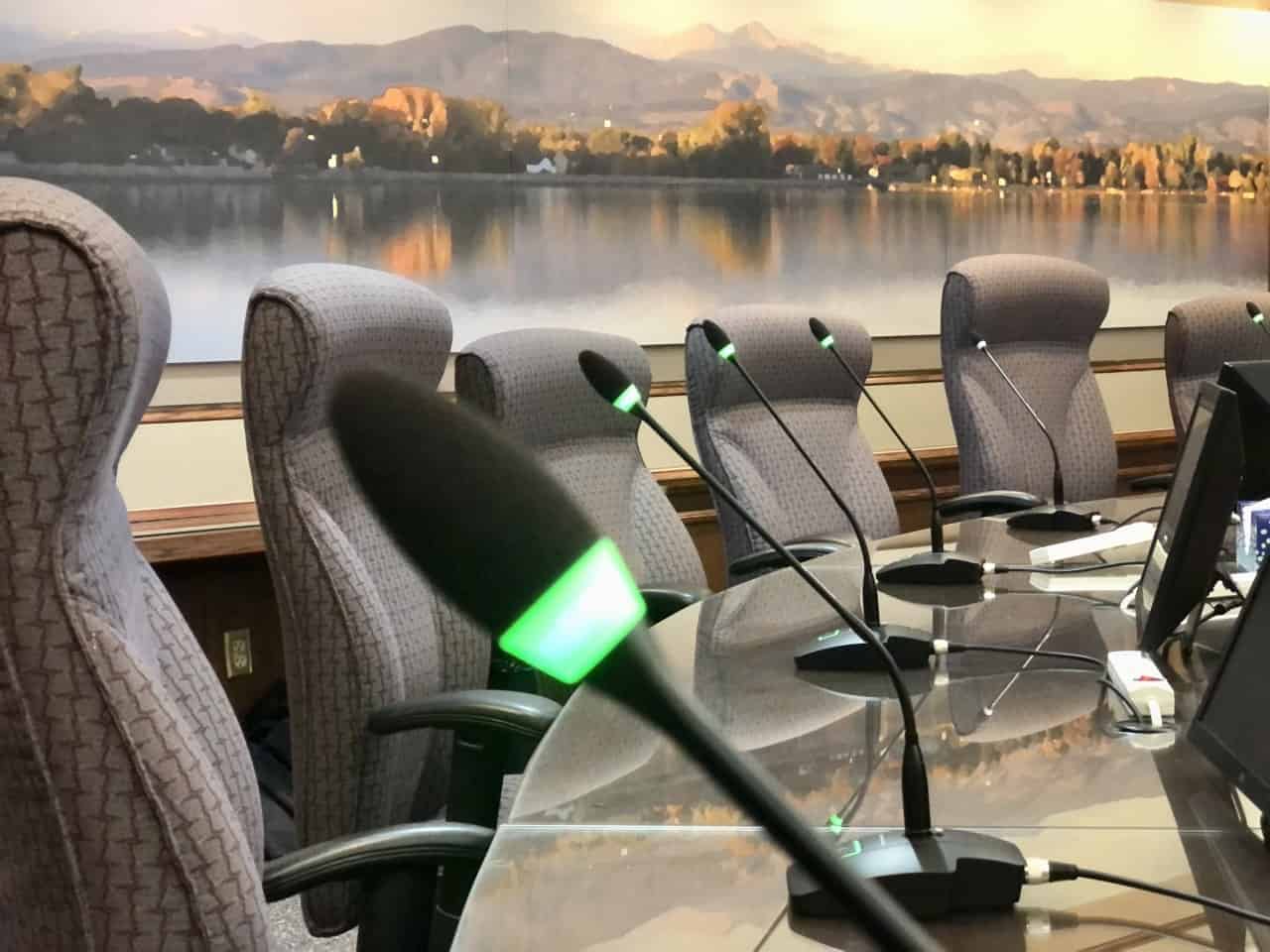
Government AV solutions sit at the intersection of technology, security, and public service. From city council chambers and courtrooms to federal agencies and emergency operations centers, audiovisual systems are no longer “nice to have.” They are mission-critical infrastructure that supports transparency, collaboration, decision-making, and public trust.
As government operations become more digital, hybrid, and distributed, the expectations placed on government AV systems continue to rise. Reliability, accessibility, cybersecurity, and long-term scalability matter just as much as sound quality or display resolution. This article provides a comprehensive, real-world look at government AV solutions—what they are, how they are used, and what public sector organizations should prioritize when planning or upgrading their systems.
What Are Government AV Solutions?
Government AV solutions refer to purpose-built audiovisual systems designed to meet the operational, regulatory, and security requirements of public sector organizations. These systems go far beyond basic conference room setups. They are engineered for high availability, long service life, strict compliance standards, and consistent performance across diverse environments.
Unlike commercial AV deployments, government installations must account for public access, formal proceedings, records retention, accessibility laws, and heightened cybersecurity risk. As a result, government AV solutions are typically designed with more redundancy, more rigorous controls, and greater emphasis on long-term support.
At a high level, these solutions may include:
- Audio systems for clear speech reinforcement and recording
- Video displays, projectors, and LED walls for information sharing
- Video conferencing and unified communications platforms
- Control systems that simplify complex operations
- Secure AV networking and signal distribution
- Recording, streaming, and archiving technologies
Each deployment is shaped by the agency’s mission, environment, and audience.
Why AV Technology Is Critical in Government Environments
AV systems in government settings serve a fundamentally different purpose than those in corporate or entertainment spaces. They are often tied directly to governance, justice, public safety, and civic engagement.
Transparency and Public Access
Public meetings, hearings, and legislative sessions rely on AV technology to ensure proceedings are visible, audible, and accessible. High-quality audio and video allow citizens to attend in person, watch remotely, or review recordings after the fact. In many jurisdictions, this transparency is not optional—it is required by law.
Decision-Making and Collaboration
Government agencies increasingly operate across departments, buildings, and even time zones. AV solutions enable secure collaboration between staff, elected officials, legal teams, and external stakeholders without compromising sensitive information.
Continuity of Operations
During emergencies, natural disasters, or public health events, AV systems often become the backbone of continuity planning. Emergency operations centers, briefing rooms, and command facilities depend on AV technology to share real-time information quickly and accurately.
Common Government AV Applications
Government AV solutions are deployed across a wide range of environments, each with unique functional and technical requirements.
City Council Chambers and Legislative Rooms
These spaces demand clear, intelligible audio for both speakers and attendees, along with video systems that support presentations, voting displays, and live streaming. Microphone management, camera tracking, and automated controls are often essential to keep meetings efficient and orderly.
Courtrooms and Judicial Facilities
Courtroom AV systems must be precise, unobtrusive, and reliable. Audio recording quality is paramount, as proceedings often become part of the legal record. Video evidence presentation, remote testimony, and interpretation services must integrate seamlessly without disrupting decorum.
Federal and State Agency Offices
Conference rooms and briefing spaces in government offices typically support secure video conferencing, classified or sensitive discussions, and collaboration with external partners. These environments place heavy emphasis on encryption, access control, and system integrity.
Emergency Operations Centers (EOCs)
EOCs rely on advanced AV solutions to aggregate data from multiple sources—maps, video feeds, dashboards, and live briefings—into a single operational picture. Large-format displays, real-time switching, and redundant systems are common requirements.
Training and Education Facilities
Government training centers and academies use AV systems to deliver consistent instruction across in-person and remote audiences. Lecture capture, interactive displays, and hybrid learning tools are often part of these deployments.
Core Components of Government AV Solutions
While every installation is unique, most government AV systems are built from a similar set of foundational components.
Audio Systems
Clear speech is the cornerstone of effective communication. Government audio systems often include:
- Gooseneck, boundary, and wireless microphones
- Digital signal processing for echo cancellation and noise reduction
- Distributed loudspeaker systems for even coverage
- Assisted listening systems to meet accessibility requirements
The goal is not volume, but intelligibility—especially in acoustically challenging rooms.
Video Display and Presentation Technology
Video solutions range from simple flat-panel displays to complex, multi-screen video walls. Common use cases include:
- Presentation sharing for meetings and hearings
- Real-time data visualization in command centers
- Public information displays in lobbies and waiting areas
Displays must be readable from various angles and distances, often under bright lighting conditions.
Video Conferencing and Unified Communications
Hybrid work has become a permanent reality for many government agencies. AV solutions now frequently integrate with secure video conferencing platforms, enabling remote participation while maintaining control over access and content sharing.
Control and Automation Systems
Modern government AV environments can be complex, with dozens of devices working together. Centralized control systems allow staff to manage microphones, cameras, displays, and conferencing platforms from a single interface, reducing errors and training requirements.
Recording, Streaming, and Archiving
Many government entities are required to record meetings and retain them for public access or legal compliance. AV solutions often include automated recording, live streaming, captioning, and searchable archives.
Security and Compliance Considerations
Security is one of the defining characteristics of government AV solutions. Unlike commercial installations, public sector systems must assume a higher threat profile.
Cybersecurity and Network Segmentation
AV devices are increasingly IP-based, which means they must be protected like any other networked system. Best practices include:
- Network segmentation for AV traffic
- Secure authentication and access control
- Regular firmware updates and patch management
- Integration with agency IT security policies
Data Privacy and Content Protection
Recorded meetings, video feeds, and shared documents may contain sensitive or confidential information. AV solutions must support encryption, secure storage, and controlled access to prevent unauthorized distribution.
Regulatory and Accessibility Compliance
Government AV systems must comply with regulations related to accessibility, records retention, and public information access. This often includes:
- ADA-compliant audio and visual accommodations
- Closed captioning and assistive listening technologies
- Reliable archiving and retrieval of recordings
Failure to address these requirements can lead to legal and reputational risk.
Designing AV Solutions for Longevity and Scalability
Government technology investments are expected to last. Budget cycles, procurement processes, and public accountability all favor systems that can adapt over time rather than require frequent replacement.
Modular System Architecture
Scalable AV designs allow agencies to add capabilities—such as new conferencing platforms or upgraded displays—without rebuilding the entire system. Modular components reduce long-term costs and minimize downtime.
Standardization Across Facilities
Standardizing AV platforms across multiple buildings or departments simplifies training, maintenance, and support. It also ensures a consistent user experience for staff and the public.
Lifecycle Planning and Support
Government AV solutions should be planned with a full lifecycle perspective, including:
- Preventive maintenance
- Long-term manufacturer support
- Clear upgrade paths
A system that works well on day one but becomes obsolete within a few years is rarely a good investment.
Selecting the Right Government AV Partner
Technology alone does not guarantee success. The expertise of the AV integrator or solutions provider plays a critical role in the outcome.
An experienced government AV partner understands public sector procurement, compliance requirements, and operational realities. They can translate policy goals into technical designs and provide documentation, training, and ongoing support that aligns with government standards.
Key qualities to look for include:
- Proven experience in government or public sector projects
- Strong collaboration with IT and facilities teams
- Clear documentation and training processes
- Long-term service and support capabilities
The Future of Government AV Solutions
Government AV technology continues to evolve alongside broader digital transformation initiatives. Trends shaping the future include:
- Greater integration between AV and IT infrastructure
- Increased use of data visualization and real-time analytics
- Expanded hybrid and remote participation capabilities
- Continued focus on security, accessibility, and resilience
As public expectations for transparency and efficiency grow, AV solutions will remain a visible and vital part of how governments operate and communicate.
Frequently Asked Questions About Government AV Solutions
What makes government AV solutions different from commercial AV systems?
Government AV solutions are designed with stricter requirements for security, compliance, accessibility, and reliability. They often support public access, formal records, and long-term use in ways that standard commercial systems do not.
Are government AV systems required to meet accessibility standards?
Yes. Most government AV installations must comply with accessibility regulations, including assistive listening, captioning, and visual accommodations to ensure equal access for all participants.
How important is cybersecurity in government AV deployments?
Cybersecurity is critical. Modern AV systems are network-connected and can present security risks if not properly designed, segmented, and maintained in alignment with IT security policies.
Can government AV solutions support hybrid and remote meetings?
Absolutely. Many modern government AV solutions are specifically designed to support hybrid meetings, allowing in-person and remote participants to collaborate securely and effectively.
How long do government AV systems typically last?
With proper design, maintenance, and upgrades, government AV systems can remain functional for many years. Lifecycle planning and modular architecture are key factors in maximizing longevity.
Final Thoughts
Government AV solutions are more than technology installations—they are infrastructure that supports governance, justice, public safety, and civic engagement. When designed thoughtfully and implemented correctly, they enable governments to communicate clearly, operate efficiently, and serve the public with confidence.
If you’re looking to add or upgrade your government A/V technology, we can help. High Country Low Voltage LLC has years of experience providing A/V installations for courtrooms, city council, town hall, county commission, or other government buildings. Give us a call today at 720-575-2494 or contact us online.