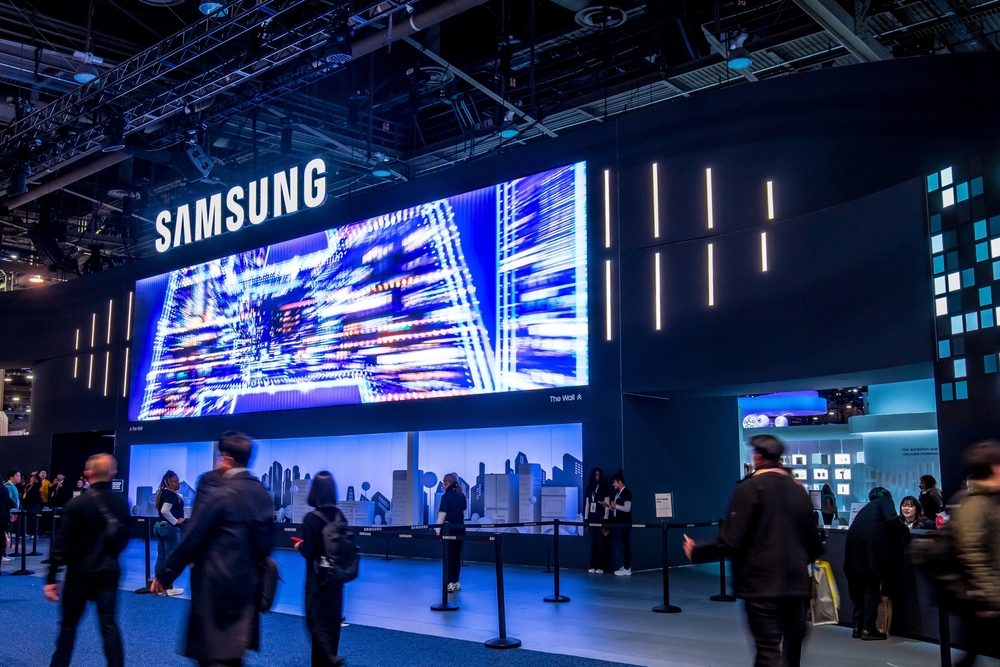
Digital signage has quietly become one of the most powerful communication tools in modern environments. You see it when you walk into a corporate lobby, order food from a restaurant menu board, check in at a hospital, or browse a retail store. Yet despite its ubiquity, many business owners and facility managers still ask the same foundational question: what is digital signage, and how does it actually work?
This guide answers that question clearly and thoroughly—without buzzwords, hype, or vague generalities. If you’re evaluating digital signage as part of a broader A/V strategy, this article will provide the context, structure, and practical insights you need to make informed decisions.
What Is Digital Signage?
Digital signage is a visual communication system that uses digital displays—such as LED screens, LCD panels, dvLED video walls, or projection surfaces—to present dynamic content in physical spaces. That content can include text, images, video, live data feeds, animations, and interactive elements.
Unlike static signage, digital signage allows content to be updated remotely, scheduled in advance, and customized by location, time of day, audience, or purpose. A single network can manage dozens—or thousands—of displays across multiple locations.
At its core, digital signage is not just about screens. It’s about delivering the right message to the right people at the right moment using professionally designed audiovisual systems.
How Digital Signage Works
Digital signage systems are built from several interconnected components. When properly designed by an experienced A/V company, these components function as a unified ecosystem rather than isolated hardware pieces.
Core Components of a Digital Signage System
1. Digital Displays
These are the visible endpoints—commercial-grade screens designed for continuous operation. Unlike consumer TVs, professional digital displays are engineered for brightness consistency, thermal control, and long runtimes.
2. Media Players
A media player delivers content to the display. This may be a dedicated hardware device, a built-in system-on-chip (SoC), or a network-connected player, depending on system complexity.
3. Content Management Software (CMS)
The CMS allows users to upload, schedule, and manage content across all displays. Cloud-based platforms are common, enabling remote updates and real-time changes.
4. Network Infrastructure
Displays communicate via wired or wireless networks. In enterprise environments, this often integrates with existing IT and security protocols.
5. Professional Installation & Configuration
Mounting, calibration, orientation, cable management, and system tuning are handled by an A/V company to ensure reliability and visual consistency.
Types of Digital Signage Displays
Not all digital signage is created equal. The type of display you choose depends on environment, viewing distance, ambient light, and content goals.
Indoor Digital Signage
Indoor displays are commonly used in:
- Retail stores
- Corporate offices
- Healthcare facilities
- Educational institutions
- Hospitality environments
They prioritize color accuracy, clarity, and reliability over extreme brightness.
Outdoor Digital Signage
Outdoor systems are built for visibility and durability. They feature:
- High-brightness panels
- Weather-resistant enclosures
- Temperature management
- Anti-glare coatings
Outdoor signage is common in transportation hubs, campuses, and storefronts.
LED Video Walls
Large-format LED systems are increasingly popular for:
- Lobbies
- Event spaces
- Control rooms
- High-impact brand environments
These displays scale seamlessly and provide exceptional visual impact at virtually any size.
Common Digital Signage Use Cases
Digital signage is flexible by design, which is why it spans so many industries. Below are some of the most common—and effective—applications.
Retail & Showrooms
- Product promotions
- Pricing updates
- Brand storytelling
- Seasonal campaigns
Restaurants & Hospitality
- Digital menu boards
- Order guidance
- Promotions and upsells
- Event announcements
Corporate & Commercial Spaces
- Lobby welcome screens
- Wayfinding
- Internal communications
- Company dashboards
Healthcare & Education
- Appointment information
- Campus navigation
- Emergency messaging
- Real-time alerts
Manufacturing & Industrial
- Safety messaging
- Production metrics
- Shift schedules
- Performance dashboards
Benefits of Digital Signage for Businesses
When implemented correctly, digital signage delivers measurable value well beyond aesthetics.
Flexibility and Speed
Content can be updated instantly across locations—no printing, no reinstallation, no delays.
Improved Engagement
Motion, video, and real-time data naturally draw attention and increase message retention.
Brand Consistency
A centralized system ensures consistent messaging across all displays and locations.
Operational Efficiency
Menus, schedules, pricing, and alerts can be automated and synchronized with business systems.
Long-Term Cost Savings
While the upfront investment is higher than static signage, ongoing costs are significantly lower over time.
Digital Signage vs. Traditional Signage
| Feature | Digital Signage | Traditional Signage |
| Content Updates | Instant, remote | Manual replacement |
| Message Variety | Unlimited | Fixed |
| Scheduling | Automated | None |
| Interactivity | Possible | Not possible |
| Long-Term Cost | Lower | Higher |
This comparison highlights why many organizations transition to digital signage as part of a broader modernization strategy.
The Role of an A/V Company in Digital Signage
Digital signage succeeds or fails based on system design. This is where a professional A/V company becomes critical.
A qualified A/V partner doesn’t just sell screens—they:
- Design systems around your space and goals
- Ensure display brightness and viewing angles are correct
- Integrate signage with other A/V services
- Provide ongoing support and system monitoring
Digital signage often works best when integrated with other A/V solutions, such as:
- Video walls
- Background audio systems
- Public address systems
- Conference room A/V
- Unified communications
- Control systems
This holistic approach ensures your signage is part of a cohesive audiovisual environment, not a disconnected add-on.
Hardware Brands Commonly Used in Digital Signage
Professional systems typically rely on commercial-grade hardware from manufacturers known for reliability and long-term support, including Samsung, LG, and Sony. The right choice depends on application, budget, and performance requirements—not brand name alone.
Is Digital Signage Right for Your Business?
Digital signage is not a one-size-fits-all solution. It makes the most sense when:
- Information changes frequently
- Visual impact matters
- Messaging needs to be centralized
- Customer experience is a priority
- Multiple locations require consistency
A consultation with an experienced A/V company can quickly determine whether digital signage aligns with your operational and communication goals.
Frequently Asked Questions About Digital Signage
What is digital signage used for?
Digital signage displays dynamic content, such as promotions, menus, announcements, wayfinding, dashboards, and alerts, in public or private spaces.
How much does digital signage cost?
Costs vary based on display size, quantity, software, installation complexity, and content needs. Systems can range from a few thousand dollars to enterprise-scale deployments.
Can digital signage be updated remotely?
Yes. Most systems use cloud-based content management software that allows remote updates, scheduling, and real-time changes.
Is digital signage hard to manage?
Modern systems are designed for ease of use. An A/V company typically provides training, support, and ongoing maintenance.
What’s the difference between digital signage and a video wall?
Digital signage refers to the content delivery system as a whole. A video wall is a specific type of display configuration often used within digital signage networks.
Final Thoughts
Digital signage is no longer a novelty—it’s an essential communication platform for modern businesses. When thoughtfully designed and professionally installed, it enhances brand presence, improves customer experience, and simplifies day-to-day operations.
For organizations already investing in audiovisual technology, digital signage often becomes the connective tissue that ties displays, audio systems, and real-time data together into a single, cohesive experience.
Looking to add digital signage or upgrade? Our digital signage services can help. Call us at 720-575-2494 or use our secure online form. You can also check all the other A/V projects we’ve helped our clients with – just click here.