
Choosing between background audio vs PA systems isn’t just a technical decision—it’s a functional one that directly affects how people experience your space. Restaurants want atmosphere without distraction. Offices need clarity without intrusion. Warehouses, schools, and healthcare facilities require messages that cut through noise and reach everyone immediately.
While both systems involve sound distribution, they are built for very different purposes. Understanding how they work, where they excel, and when they overlap is essential for making the right investment. This guide clearly breaks down the differences, from real-world use cases to system design considerations, so you can choose a solution that actually supports how your business operates.
What Is Background Audio?
Background audio systems are designed to enhance an environment, not dominate it. Their role is subtle but powerful—shaping mood, reinforcing brand identity, and improving comfort without demanding attention.
How Background Audio Systems Work
A background audio system uses distributed speakers—often ceiling-mounted or wall-mounted—connected to amplifiers and digital signal processors. Sound is evenly spread throughout a space at lower volume levels, avoiding hotspots or dead zones.
The goal is consistency, not projection.
Common Background Audio Use Cases
- Restaurants, cafés, and bars
- Retail stores and shopping centers
- Corporate offices and coworking spaces
- Hotels, lobbies, and hospitality venues
- Spas, gyms, and wellness centers
In these environments, music should feel natural—present but never overwhelming.
Key Characteristics of Background Audio
- Even sound coverage across large areas
- Lower volume, high clarity
- Minimal listener fatigue
- Often integrated with zoning controls
- Designed to run continuously
A well-designed background audio system fades into the experience while subtly elevating it.
What Is a PA System?
A PA (Public Address) system exists for one primary reason: communication. It’s built to ensure that messages are heard clearly, quickly, and reliably—often in challenging acoustic environments.
How PA Systems Function
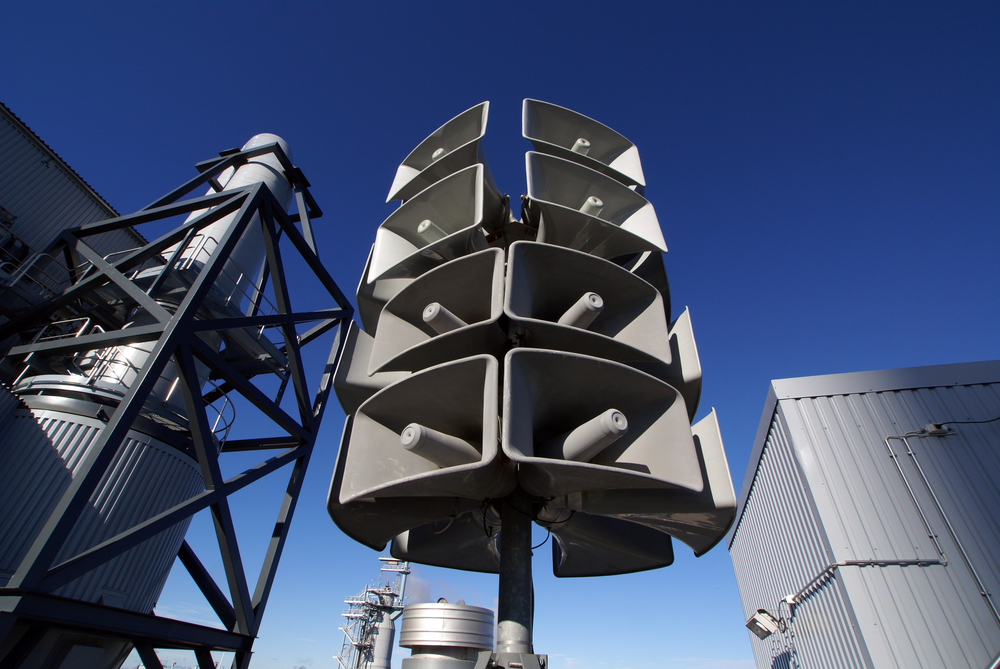
PA systems prioritize vocal intelligibility and volume. They typically include microphones, mixers, amplifiers, and high-output speakers designed to project sound over long distances and through ambient noise.
Unlike background audio, PA systems are not meant to be subtle. They are meant to be unmistakable.
Common PA System Applications
- Warehouses and manufacturing facilities
- Schools and universities
- Hospitals and healthcare facilities
- Transportation hubs
- Event venues and auditoriums
PA systems are often tied to safety, operational efficiency, and compliance requirements.
Core Features of PA Systems
- High-volume sound projection
- Microphone-driven announcements
- Priority override functions
- Emergency alert integration
- Zoning for targeted messaging
In critical situations, a PA system isn’t optional—it’s essential.
Background Audio vs PA Systems: The Core Differences
While these systems may share some components, their design philosophies are fundamentally different.
Purpose and Intent
Background audio supports ambiance and comfort. PA systems deliver instructions and alerts. One enhances; the other commands attention.
Sound Design
Background audio emphasizes balance and tone. PA systems focus on clarity and reach, even at high volume.
Speaker Placement
- Background audio uses many low-output speakers spaced evenly
- PA systems rely on fewer, higher-output speakers for coverage
User Interaction
Background audio often runs automatically with playlists or scheduled content. PA systems require active input—someone speaking or pressing a button to trigger a message.
Listening Experience
Background audio is passive and continuous. PA audio is intermittent and directive.
Understanding these differences prevents costly mistakes, such as installing a PA system where ambiance matters—or relying on background music speakers for emergency messaging.
Can One System Do Both?
In modern commercial environments, the answer is often yes—with the right design.
Hybrid Audio Systems
Many businesses benefit from a hybrid approach that combines background audio and PA functionality into a single integrated system. These systems allow music to play normally, then automatically lower or mute when announcements are made.
This approach is common in:
- Retail chains
- Restaurants with operational announcements
- Corporate campuses
- Large mixed-use facilities
Design Matters
Not all speakers or amplifiers are suitable for dual-purpose use. A/V system design must account for:
- Speaker wattage and dispersion
- Acoustic conditions
- Priority override logic
- Zoning and control interfaces
This is where an experienced A/V company adds real value—designing a system that performs both roles without compromise.
Which System Is Right for Your Business?
The choice between background audio vs PA systems depends on how sound is used in your space.
Background Audio Is Ideal If:
- Atmosphere and customer experience matter
- Music plays throughout the day
- Clear but non-intrusive sound is the goal
- Branding and mood are priorities
PA Systems Are Essential If:
- Safety announcements are required
- Staff need to communicate quickly across large areas
- Noise levels fluctuate
- Compliance or emergency systems are involved
Many Businesses Need Both
Healthcare facilities, schools, hospitality venues, and large offices often require background audio for daily use and PA systems for announcements and alerts.
A properly designed solution ensures neither system interferes with the other.
Audio System Design: Why Professional Planning Matters
Audio systems are not “plug-and-play” at scale. Poor design leads to uneven coverage, feedback issues, unclear announcements, and frustrated users.
A professional A/V company evaluates:
- Room acoustics and ceiling height
- Ambient noise levels
- Building layout and zoning needs
- Future expansion requirements
- Integration with other systems
Audio design should align with how the space is actually used—not just how it looks on paper.
Beyond Audio: Related A/V Services That Matter
Modern audio systems rarely stand alone. Many businesses integrate audio with other technologies to create a seamless environment.
Common complementary A/V services include:
- Video conferencing systems
- Sound masking for offices
- Digital signage integration
- Mass notification systems
- Structured cabling and network infrastructure
- Control systems for centralized management
When audio is planned as part of a larger A/V ecosystem, reliability and usability improve dramatically.
The Long-Term Value of Choosing the Right System
Cutting corners on audio design often leads to expensive fixes later. The right system:
- Improves customer and employee experience
- Supports safety and compliance
- Scales with your business
- Reduces maintenance and downtime
Whether you’re opening a new facility or upgrading an existing one, understanding background audio vs PA system ensures your investment supports both day-to-day operations and critical moments.
Frequently Asked Questions: Background Audio vs PA Systems
What is the main difference between background audio and PA systems?
Background audio is designed for ambiance and continuous playback, while PA systems are built for announcements, alerts, and high-volume communication.
Can background audio speakers be used for announcements?
In some systems, yes—but only if the speakers and amplifiers are designed for dual-purpose use. Many background-only speakers lack the power and clarity needed for effective announcements.
Do I need a PA system if I already have background music?
If you need to communicate with staff or occupants clearly, especially in emergencies, a dedicated PA system or integrated announcement capability is strongly recommended.
Are hybrid background audio and PA systems more expensive?
Not necessarily. While the initial design may be more involved, integrated systems often reduce hardware duplication and simplify long-term management.
How do I know which system is right for my building?
A professional A/V assessment is the best way to determine the right solution. Factors like room size, noise levels, usage patterns, and safety requirements all play a role.
Can these systems integrate with other A/V technologies?
Yes. Modern audio systems often integrate with video conferencing, digital signage, mass notification, and centralized control platforms. They often require a professional A/V installation.
Choosing between background audio vs PA systems isn’t about picking one over the other—it’s about understanding how sound should function in your space. With the right design and professional guidance, your audio system becomes a strategic asset, not just another piece of equipment.
No matter what type of audio solution you need, we’re here to help. Reach out today to learn how we can help improve your audio. Call us at 720-575-2494 or use our secure online form. You can also check all the other A/V projects we’ve helped our clients with – just click here.

