Command Center AV Solutions
Command center AV solutions provide organizations with the advanced audiovisual technology needed to support unified oversight, cross-agency coordination, and executive-level operational control during both sustained operations and critical incidents. Unlike control rooms focused on a single operational domain, command centers are designed to serve as the nerve center of an entire organization or response effort—requiring AV systems that can aggregate information from multiple departments, agencies, and data sources into a single, coherent operational picture.
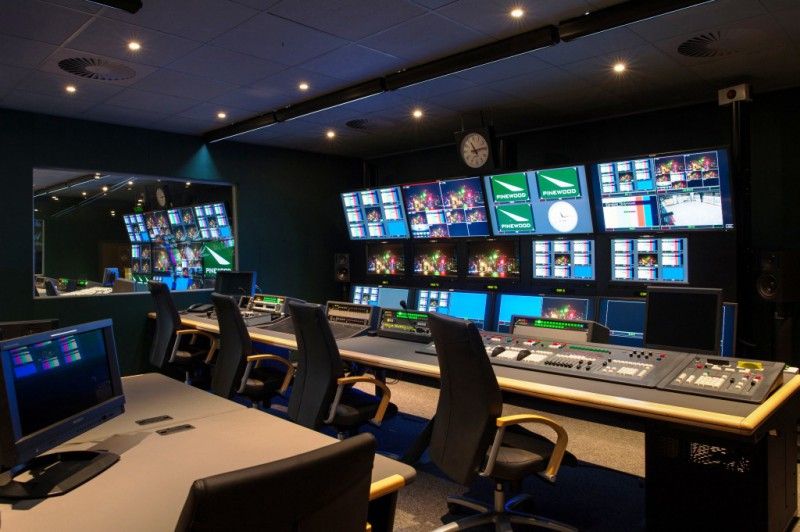
A well-designed command center integrates large-format video walls, multi-source signal management, executive display systems, secure communication platforms, and centralized control infrastructure into a unified environment built for high-stakes decision-making. These technologies allow command staff to maintain full situational awareness, direct resources, and communicate with internal teams and external partners simultaneously. Whether coordinating disaster response, managing enterprise-wide security operations, or overseeing complex infrastructure networks, AV systems ensure that leadership has the information and communication tools needed to act decisively.
Command center AV solutions are widely implemented in federal and state government agencies, military and defense facilities, emergency management organizations, utility and energy companies, large healthcare systems, and corporate security operations where unified command, real-time awareness, and uninterrupted communication are mission-critical requirements.
What Are Command Center AV Solutions?
Command center AV solutions are integrated audiovisual systems specifically designed for environments where senior leadership and operational staff must maintain complete situational awareness and direct coordinated action across multiple teams, systems, and locations simultaneously. These systems combine technologies such as large-scale video wall arrays, multi-input signal processors, KVM switching infrastructure, secure intercom and communication systems, and advanced control platforms to create an environment purpose-built for unified command operations.
Unlike standard control rooms or conference spaces, command centers must support two distinct functions simultaneously—operational monitoring at the staff level and executive decision-making at the leadership level. AV systems must bridge these two functions, ensuring that the right information is visible to the right people at the right time without creating visual noise or communication overload.
Video wall systems serve as the primary information display environment, consolidating feeds from surveillance systems, GIS mapping platforms, incident management software, weather data, and live communication channels into an organized, easily navigable visual layout. Dedicated executive display zones provide leadership with focused views of the information most relevant to command-level decisions.
Secure communication systems connect command staff with field units, partner agencies, and remote leadership through integrated intercom, radio, and video conferencing infrastructure. By unifying these components into a single managed platform, command center AV solutions give organizations the operational clarity and communication capacity needed to lead effectively under pressure.
How Do Command Center AV Systems Work?
Command center AV systems operate by connecting a broad ecosystem of data sources, communication platforms, and display infrastructure into a centralized, highly manageable environment that supports both continuous monitoring and dynamic incident response. These systems are engineered to the highest standards of reliability, with redundant power, signal routing, and hardware configurations that ensure uninterrupted operation regardless of external conditions.
Video wall processors receive and manage signals from dozens of independent sources—surveillance cameras, sensor networks, mapping systems, news feeds, communication platforms, and operational dashboards—and distribute this content across large-format display arrays in real time. System operators and supervisors can configure, rearrange, and scale display layouts instantly as the operational situation evolves, ensuring the most critical information is always prominently visible.
At individual operator workstations, multi-monitor configurations and KVM systems give staff members direct control over the specific systems and data streams within their area of responsibility. KVM extenders allow any operator to access any networked source from any seat in the room, providing flexibility when staffing levels or role assignments change during extended operations.
Audio and intercom systems manage multiple simultaneous communication channels—connecting command staff with field personnel, dispatch, partner agencies, and remote leadership without interference between channels. Speaker systems are engineered to deliver clear audio in large, often busy environments, while push-to-talk and intercom panels give operators direct control over who they are communicating with at any moment.
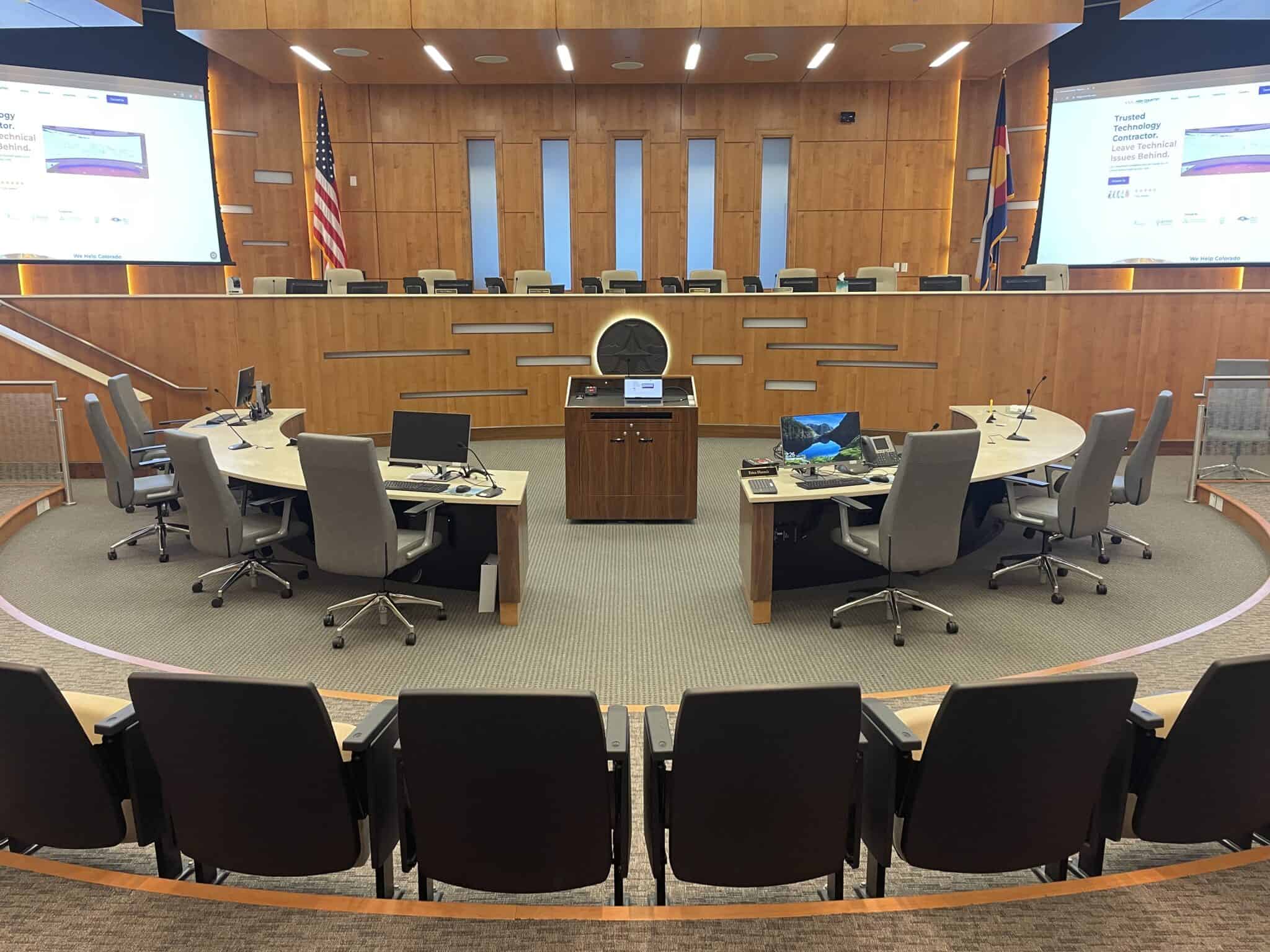
Executive briefing zones within the command center may feature dedicated displays, video conferencing systems, and control interfaces that allow senior leadership to receive briefings, conduct secure video calls, and issue directives without disrupting the broader operational floor. Integration with platforms such as Microsoft Teams, Zoom, and Cisco Webex ensures that remote leadership and partner organizations can be brought into command-level discussions quickly.
A master control interface allows system administrators to manage the entire AV environment—display configurations, audio routing, source management, and system health monitoring—from a single platform, ensuring that the command center operates at peak performance at all times.

What Are the Benefits of Command Center AV Solutions?
Command center AV solutions provide organizations with the tools needed to unify situational awareness, coordinate multi-agency response, and support executive decision-making in the most demanding operational environments. These systems are purpose-built for organizations where the cost of miscommunication or information gaps is measured in outcomes that matter.
These include:
- Unified Operational Picture: Large-format video wall systems consolidate data from multiple sources into a single, organized visual environment, giving command staff and leadership a complete and current view of the operational situation at all times.
- Executive and Operational Integration: Command center AV systems are designed to serve both floor-level operators and senior leadership simultaneously, ensuring that decision-makers have access to the precise information they need without disrupting ongoing operations.
- Mission-Critical Reliability: Redundant signal paths, power systems, and hardware configurations ensure that command center AV infrastructure continues to perform without interruption, even during extended operations or infrastructure disruptions.
- Multi-Channel Communication Management: Integrated intercom, radio, and video conferencing systems allow command staff to manage simultaneous communication across multiple agencies, departments, and field units from a single, organized interface.
- Scalable Source and Display Management: Video wall processors and KVM infrastructure can manage large numbers of independent sources and display zones, allowing the command center to scale as organizational needs, data sources, or response complexity grows.
- Rapid Reconfiguration for Evolving Incidents: Real-time display management tools allow supervisors to restructure the visual environment instantly as an incident develops, ensuring that the command center’s information layout always reflects current operational priorities.
15+ Years Of Experience Providing Top-Tier Hybrid Collaboration Room AV Services To Our Clients
15+ Years Of Experience Providing Top-Tier Command Center AV Services To Our Clients
Who We Are