The cost of a video conferencing system can vary dramatically—from a few hundred dollars to well over six figures. The reason is simple: there is no such thing as a one-size-fits-all system. Room size, usage expectations, audio quality requirements, camera performance, control needs, and long-term scalability all influence the final price.
For businesses evaluating their options, the real question isn’t “What’s the cheapest system?” It’s “What level of performance, reliability, and user experience do we need—and what does that realistically cost?”
This guide breaks down video conferencing system costs in a practical, transparent way, based on how systems are actually designed, installed, and supported in real-world environments. Please keep in mind that these are just estimates, and many variables can increase or decrease the price. If you want to get an accurate estimate for a video conferencing system, give us a call or message us through our online form.
What Is Considered a Video Conferencing System?
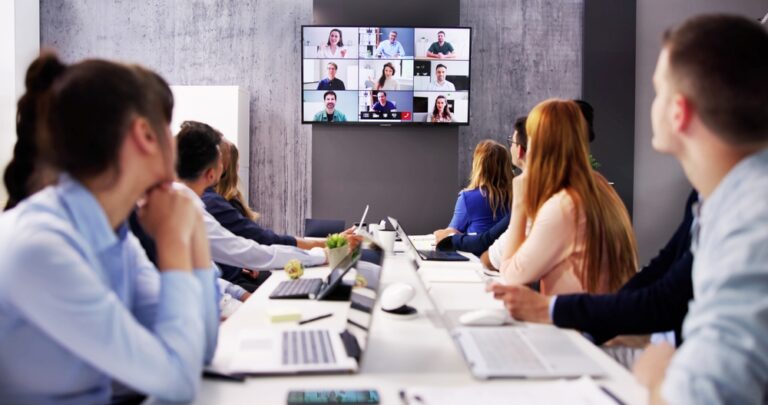
A video conferencing system is more than a webcam and a TV. In professional environments, it typically includes:
- Cameras designed for conference rooms
- Microphones engineered for clear voice pickup
- Speakers or integrated audio systems
- A computing platform or room appliance
- Control interfaces (touch panels, wall controls, or apps)
- Displays or video walls
- Cabling, mounting, and network integration
When priced correctly, a system should deliver consistent audio clarity, natural video framing, and a frictionless experience for every meeting participant—both in the room and remote.
Average Video Conferencing System Cost Ranges
Here’s a realistic breakdown of what businesses can expect to invest.
Small Room Systems (Huddle Rooms)
Typical cost: $1,500 – $4,000 per room
Designed for 2–6 people, these systems often use all-in-one devices that combine camera, microphone, and speakers into a single unit.
Common characteristics:
- Fixed or limited camera framing
- Built-in microphones with short pickup range
- Minimal room tuning
- Simple installation
These are ideal for quick collaboration spaces, not executive meetings or client presentations.
Medium Conference Room Systems
Typical cost: $4,000 – $12,000 per room
This is where most professional-grade installations land. Medium rooms require better audio coverage, more flexible camera framing, and reliable controls.
Typical inclusions:
- Dedicated PTZ (pan-tilt-zoom) camera
- Separate microphones (tabletop or ceiling)
- DSP-based audio processing
- Touch controller for one-tap meeting starts
- Single or dual displays
These rooms strike the best balance between cost and performance for most organizations.
Large Conference Rooms & Boardrooms
Typical cost: $12,000 – $35,000+ per room
Larger rooms introduce complexity. Voices must be captured evenly across long tables. Cameras need intelligent framing. Displays must remain visible from every seat.
Costs increase due to:
- Multiple microphones or ceiling mic arrays
- Advanced echo cancellation and noise suppression
- Camera auto-tracking or speaker framing
- Multiple displays or large-format screens
- Custom programming and calibration
Boardrooms are often the most visible spaces in an organization, and cutting corners shows immediately.
Training Rooms, Auditoriums & Multipurpose Spaces
Typical cost: $25,000 – $100,000+
These environments are built for scale, not simplicity. Systems often integrate with:
- Public address systems
- Wireless microphones
- Video switching and streaming platforms
- Recording and live broadcast workflows
- Control systems that manage lighting, audio, and video
At this level, you’re designing an AV ecosystem, not just a conferencing setup.
Hardware Costs Explained
Cameras
$500 – $4,000+
Entry-level cameras are fixed and wide-angle. Higher-end models offer:
- Optical zoom
- Auto speaker tracking
- Intelligent framing
- Low-light optimization
Camera quality directly impacts how professional your meetings look to remote participants.
Microphones
$300 – $5,000+
Audio quality matters more than video in most meetings. Options include:
- Tabletop microphones
- Ceiling microphones
- Beamforming mic arrays
- Wireless handheld or lavalier mics
Larger rooms almost always require multiple microphones and digital signal processing.
Speakers & Audio Processing
$500 – $6,000+
Professional systems use dedicated speakers and DSPs to:
- Prevent echo
- Normalize voice levels
- Reduce background noise
- Improve speech intelligibility
Skipping proper audio processing is one of the most common causes of “bad” video calls.
Displays
$800 – $8,000+
Costs depend on:
- Screen size
- Resolution
- Commercial vs consumer-grade panels
- Single vs multi-display layouts
Large rooms may require video walls or ultra-wide displays for visibility.
Software & Platform Costs
Most systems are built around platforms such as Zoom Rooms, Microsoft Teams Rooms, or Google Meet.
Typical licensing costs:
- $40 – $60 per room, per month
- Enterprise plans may include analytics, device management, and security features
Hardware manufacturers such as Logitech and Poly design room systems specifically optimized for these platforms.
Installation & Labor Costs
Installation is not optional—and it’s not an area to cut costs.
Typical range: $1,000 – $10,000+ per room
Professional installation includes:
- Equipment mounting
- Cable management
- Network configuration
- Audio tuning
- Camera calibration
- Platform setup and testing
Poor installation undermines even the best hardware.
Ongoing Costs to Consider
Video conferencing systems are not a one-time expense.
Common ongoing costs include:
- Platform subscriptions
- Firmware updates
- Equipment maintenance
- Support agreements
- Future upgrades as room needs evolve
Many businesses budget 10–15% of system cost annually for long-term support and optimization.
Cost by Use Case
Executive Boardrooms
Higher investment justified by visibility, reliability, and client-facing impact.
Sales & Client Meetings
Clear audio, professional framing, and ease of use directly affect credibility.
Training & Company-Wide Meetings
Scalability and recording capabilities become critical.
Hybrid Work Environments
Consistency across rooms is often more important than premium hardware in one space.
Why Professional Design Matters
Two rooms with identical square footage can have vastly different costs depending on acoustics, furniture, ceiling height, and lighting. A professional AV partner evaluates these factors before recommending equipment.
This same expertise often extends into related services such as:
- Audio system design
- Public address systems
- Sound masking
- Digital signage
- Structured cabling
- Video walls
- Control system integration
When systems are designed holistically, costs are predictable—and results are dramatically better.
Is a Video Conferencing System Worth the Investment?
For organizations that rely on remote collaboration, the answer is almost always yes. Lost time, poor communication, and meeting fatigue cost far more over time than a properly designed system.
The key is matching the system to the room—not overspending, and not underbuilding.
Frequently Asked Questions
How much does a basic video conferencing system cost?
A basic system for a small room typically costs between $1,500 and $4,000, including hardware but not ongoing software licensing.
Why do video conferencing systems vary so much in price?
Room size, audio requirements, camera capabilities, installation complexity, and long-term scalability all affect cost.
Are all-in-one video bars good enough for conference rooms?
They work well for small spaces but struggle in medium and large rooms where audio pickup and camera framing are more demanding.
Do video conferencing systems require monthly fees?
Most modern systems require a platform license, typically $40–$60 per room per month.
Can existing TVs be used for video conferencing?
Yes, as long as they are compatible and properly mounted, though commercial displays are recommended for longevity.
How long does installation usually take?
Small rooms can be installed in a few hours. Larger or custom rooms may take several days.
What other services pair well with video conferencing systems?
Audio systems, sound masking, digital signage, structured cabling, and control systems are commonly integrated for a complete AV solution.
Final Thoughts
So, how much does a video conferencing system cost?
Anywhere from a modest investment to a strategic infrastructure upgrade—depending on how your business communicates.
When systems are designed with intention and installed by professionals, they don’t just support meetings. They elevate how teams connect, collaborate, and make decisions every day.
Ready to upgrade or install video conferencing? Be sure to reach out and ask about our video conferencing installation. Call us at 720-575-2494 or use our secure online form. You can also check all the other A/V projects we’ve helped our clients with – just click here.